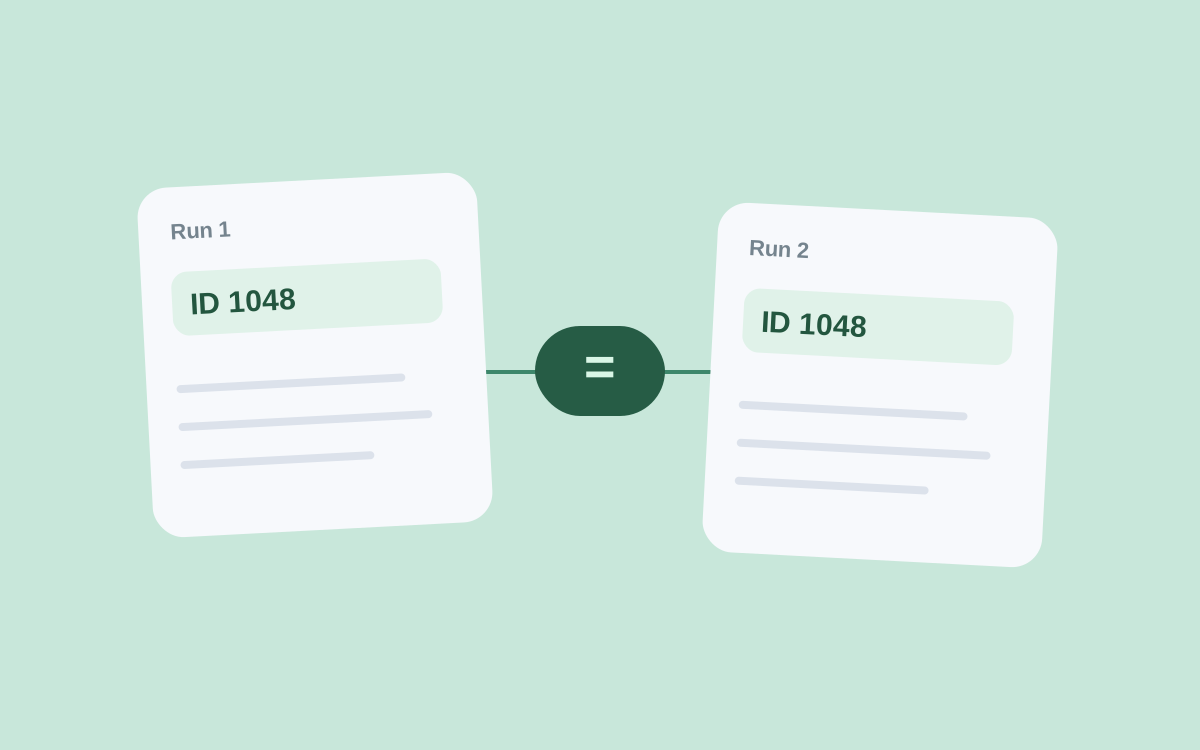
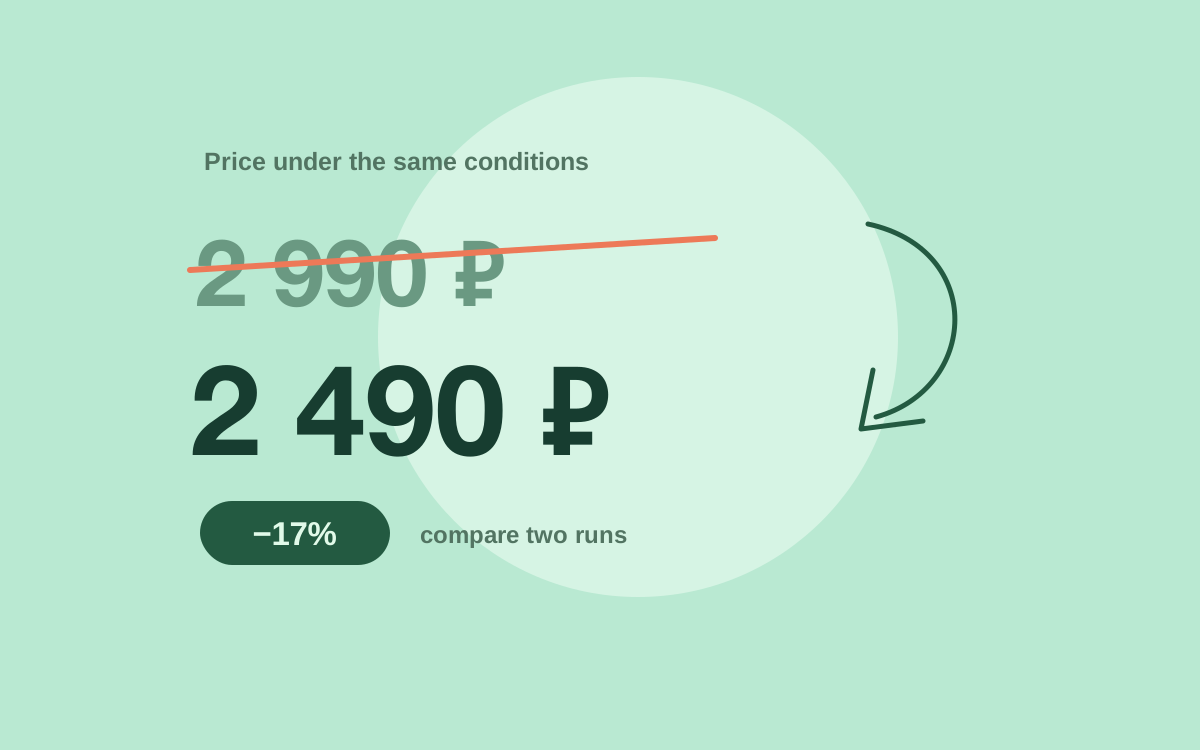
A product costs more in the morning and less in the evening. It is tempting to conclude that the seller cut the price. Before changing your own offer, check exactly what is being compared. A different variant, purchase condition, or incomplete collection may explain the new figure.
Consider a common case: a catalog shows a new price, and you need to understand the difference before acting on it.
First confirm it is the same product
Open the record and compare SKU, variant, volume, and bundle contents. A matching name is insufficient: a two-pack and a single item can appear beside each other. For regional offers, check city and delivery conditions too.
Also identify the source's price type. A regular price, subscription price, and personalized discount answer different questions. Define which one your scenario tracks. The product matching guide covers this step.
What record history can tell you
Akmelo records changes to fields, old and new values, save times, and associated runs. That history helps you find the collection where the stored data changed.
The save time is not necessarily the exact moment a store changed its price. It is when the service observed a new value. Daily runs leave an interval within each day that was not observed.
Check neighboring changes. The name, package quantity, or availability may have changed alongside price. Together, those fields may explain more than two prices alone.
Write a sound conclusion
A useful note might say: “The latest successful run returned a new price for this variant. City and purchase conditions match the previous check.” If conditions differ, note that too and postpone the comparison.
Do not invent values between observations. If a more detailed history is necessary, choose an appropriate frequency first. The schedule guide connects frequency with business needs. Record the observation time and anything still unverified so a colleague can see the basis for your conclusion.